Distil Ennui Studio
production works
by artist Alexander James Hamilton
Distil Ennui Studio™
objects and editions
view the gallery website at Alexander James Hamilton.com
-

Objects to live with
Functional objects that range from lighting, ceramics to homewares, all are produced in limited studio editions. Designed to be lived with, not collected.
Objects to live with
Functional objects that range from lighting, ceramics to homewares, all are produced in limited studio editions. Designed to be lived with, not collected.
-
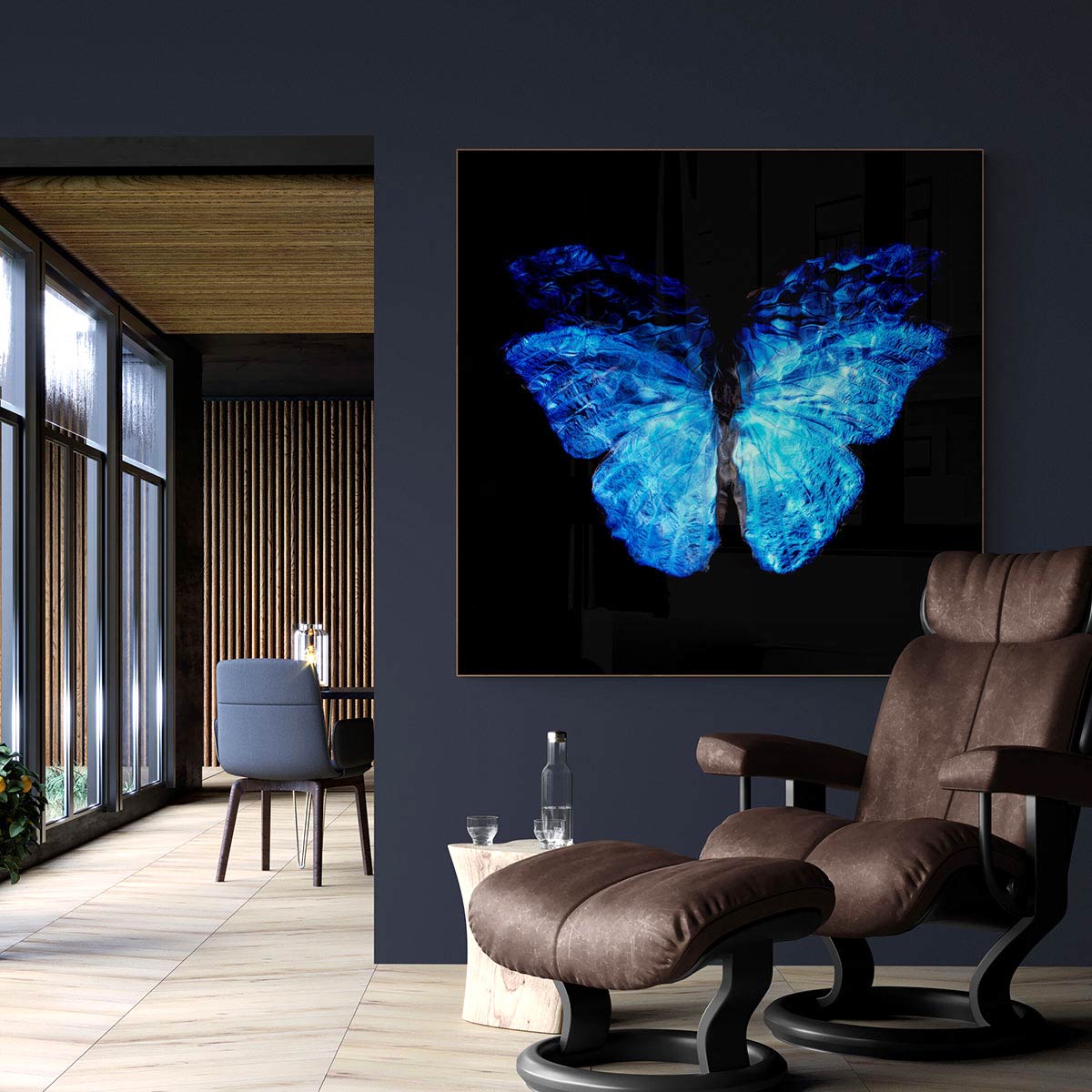
Butterfly fine art prints
An iconic series created underwater using analogue photography working with butterflies that the artist breeds in the studio.
Butterfly fine art prints
An iconic series created underwater using analogue photography working with butterflies that the artist breeds in the studio.
-
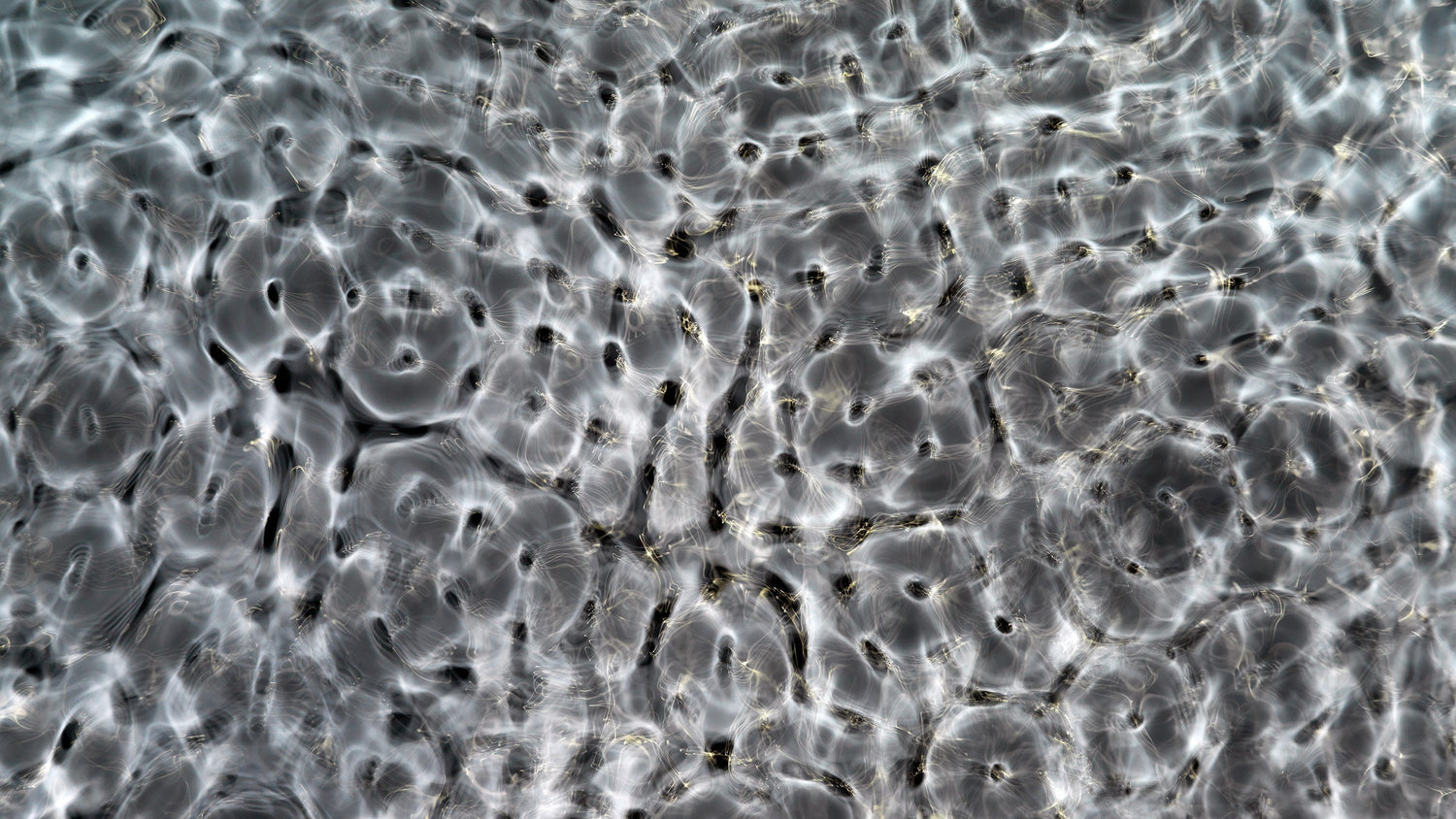
Water + Light
Photographic works exploring Einsteins gravitational wave theory using pure physics.
Water + Light
Photographic works exploring Einsteins gravitational wave theory using pure physics.
-
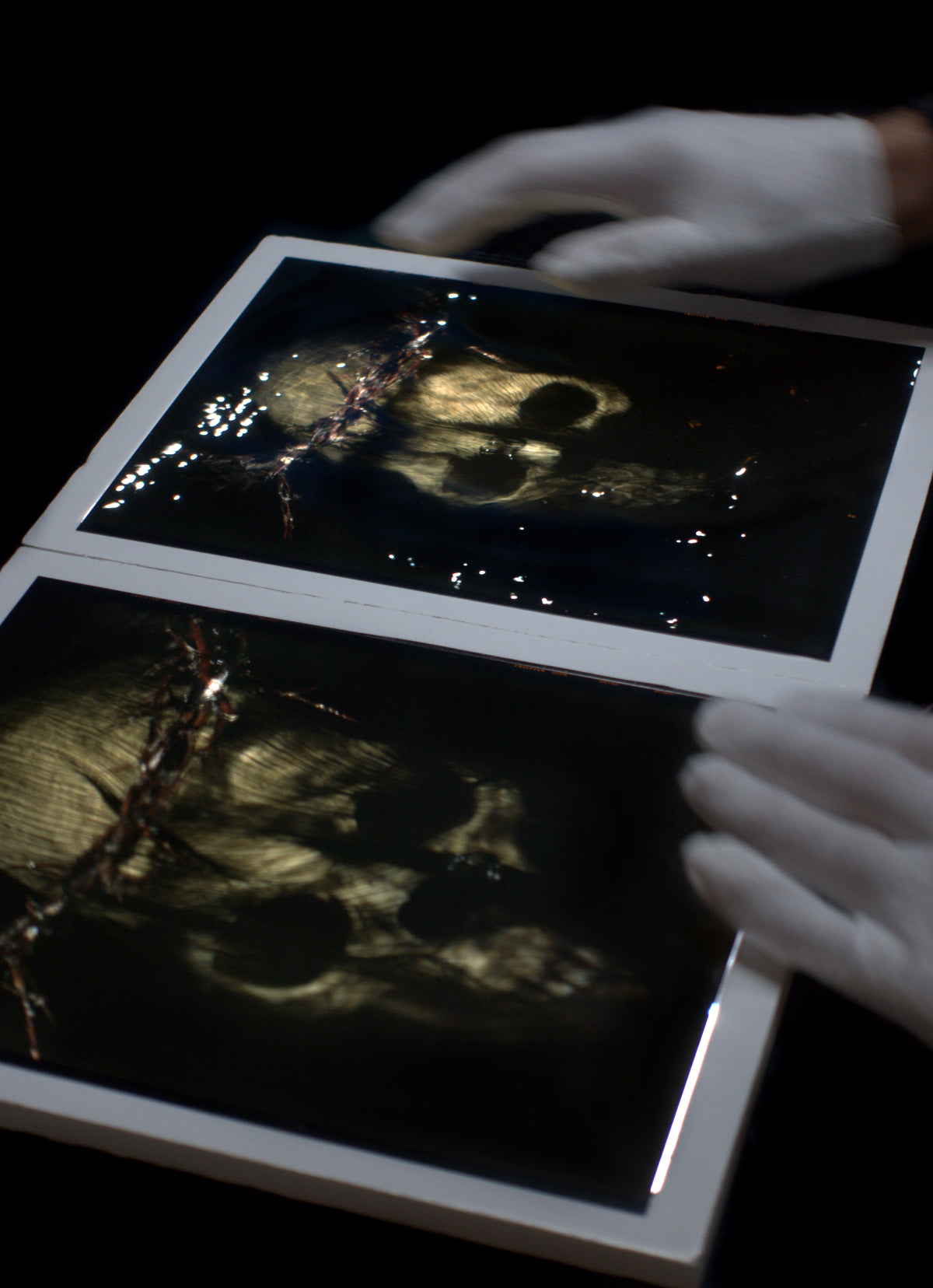
Vanitas fine art prints
A signature collection of still life tableaux works that are created entirely underwater. The resulting works look more like paintings than photographs.
Vanitas fine art prints
A signature collection of still life tableaux works that are created entirely underwater. The resulting works look more like paintings than photographs.





journal & news
-

CONTACT STATES
A new series of unique photographic works by Alexander James Hamilton. Contact States returns to the analogue contact sheet as a finished photographic object, where the sequence itself becomes the image.
Read more →CONTACT STATES
A new series of unique photographic works by Alexander James Hamilton. Contact States returns to the analogue contact sheet as a finished photographic object, where the sequence itself becomes the image.
Read more → -

The Structure of Light: On Caustics
Light is not used to describe the subject. It is reorganised by the medium into structure. A photographic practice built through water, light and controlled instability, where the image emerges as the trace of a physical event.
Read more →The Structure of Light: On Caustics
Light is not used to describe the subject. It is reorganised by the medium into structure. A photographic practice built through water, light and controlled instability, where the image emerges as the trace of a physical event.
Read more → -

The Artist as System Builder
The Artist as System Builder Physical Process and Analogue Photography. My work is not organised as a series of images. It is organised as a set of physical operating conditions. Across four decades, my analogue photographic practice has developed through the construction of environments in which outcomes cannot be fully predetermined, yet are not accidental. These environments are built, tested and refined as systems.
Read more →The Artist as System Builder
The Artist as System Builder Physical Process and Analogue Photography. My work is not organised as a series of images. It is organised as a set of physical operating conditions. Across four decades, my analogue photographic practice has developed through the construction of environments in which outcomes cannot be fully predetermined, yet are not accidental. These environments are built, tested and refined as systems.
Read more → -

Human Authorship in Photography
´ Why AI Does Not Frighten Me ´ a text by Alexander James Hamilton (b.1967) Photography is not defined by resemblance. It is defined by consequence.
Read more →Human Authorship in Photography
´ Why AI Does Not Frighten Me ´ a text by Alexander James Hamilton (b.1967) Photography is not defined by resemblance. It is defined by consequence.
Read more → -

In 2006 Time Magazine issued a warning, everyon...
There have been several Time Magazine covers that highlight our future predicament, but what impact or change did it help make? Since that publication date, global warming twinned with other human activity is disrupting the biological world in profound ways, pushing many species to the brink of extinction while turning others into runaway pests. But the worst is yet to come, and yet we still have our foot on the gas speeding towards the cliff edge.
Read more →In 2006 Time Magazine issued a warning, everyon...
There have been several Time Magazine covers that highlight our future predicament, but what impact or change did it help make? Since that publication date, global warming twinned with other human activity is disrupting the biological world in profound ways, pushing many species to the brink of extinction while turning others into runaway pests. But the worst is yet to come, and yet we still have our foot on the gas speeding towards the cliff edge.
Read more →


- Choosing a selection results in a full page refresh.
- Opens in a new window.